“Behind every cup of tea lies a story of struggle. In the sprawling gardens of Sylhet, workers endure 8-hour shifts under the sun for a daily wage of just 170 Taka ($1.45). This is a look into the lives of the people who fuel our mornings but struggle to feed their families.”
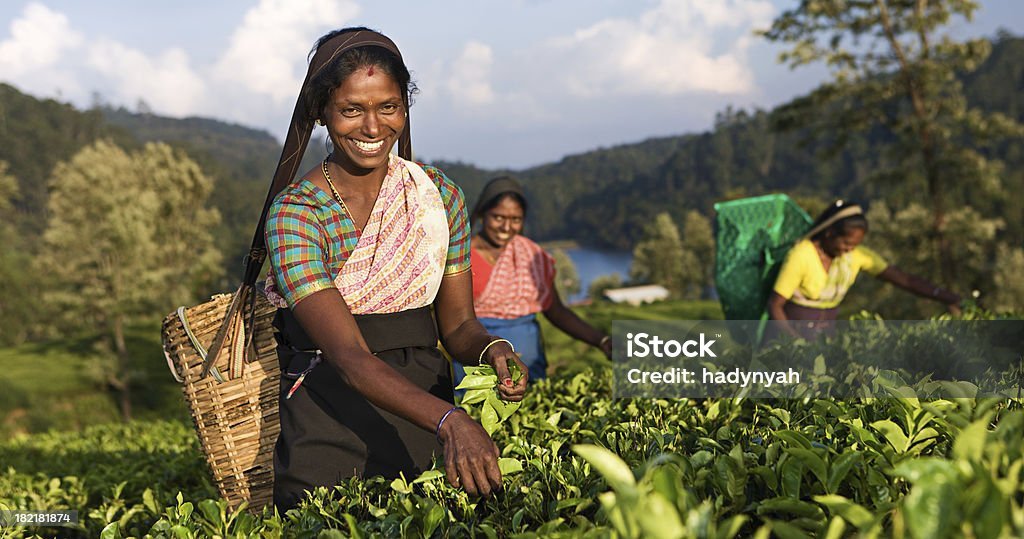
The verdant green hills of Sylhet are often romanticized as a paradise for tourists, but for the nearly 150,000 workers living in the ‘Labor Lines,’ the reality is far from a dream. Despite tea being one of Bangladesh’s top exports, the people who pluck the leaves are among the lowest-paid laborers in the country.
The Wage Gap As of early 2026, the daily minimum wage for a permanent tea garden worker stands at a mere 170 BDT. To earn this, a worker must pluck a minimum of 22 to 24 kilograms of tea leaves. In a world where the price of daily essentials like rice, oil, and medicine is skyrocketing, 170 Taka is barely enough to buy a liter of edible oil, let alone support a family. For the casual or ‘temporary’ workers, the situation is even more dire, as they often lack the small housing and ration benefits provided to permanent staff.
A Cycle of Poverty This isn’t just about low pay; it’s about a “vicious cycle.” Because the wages are so low, parents often cannot afford the hidden costs of education—uniforms, stationery, and transport. As a result, many children drop out after primary school to join the gardens as laborers, ensuring that the next generation remains tied to the same hilly slopes for the same meager pay.
The Human Cost Beyond the money, there is a massive gap in healthcare and basic rights. Many workers live in mud-walled huts without proper sanitation or safe drinking water. Women, who make up the majority of the workforce, often work through pregnancies and lack access to specialized maternal care within the estates.
At UNDP.LAB, we believe that “Innovation” must also mean “Justice.” By archiving these stories, we aim to shed light on the systemic marginalization of our tea-growing communities. It is time for the industry to move beyond colonial-era wage structures and recognize the true value of the hands that pick our tea.
That’s very sad to know…The Govt. should take this matter seriously for them