Global
Restoration.
Real-time data and visual evidence of our worldwide environmental breakthroughs.

The Silverback Sanctuary
Establishing 4,000 hectares of high-altitude corridors for endangered mountain gorillas.

Miyawaki Method
High-density urban forests growing 10x faster than traditional sites.

Deep Sea Coral Grafting
Applying robotic heat-resilient coral grafting to combat oceanic warming effects.

Alpine Health
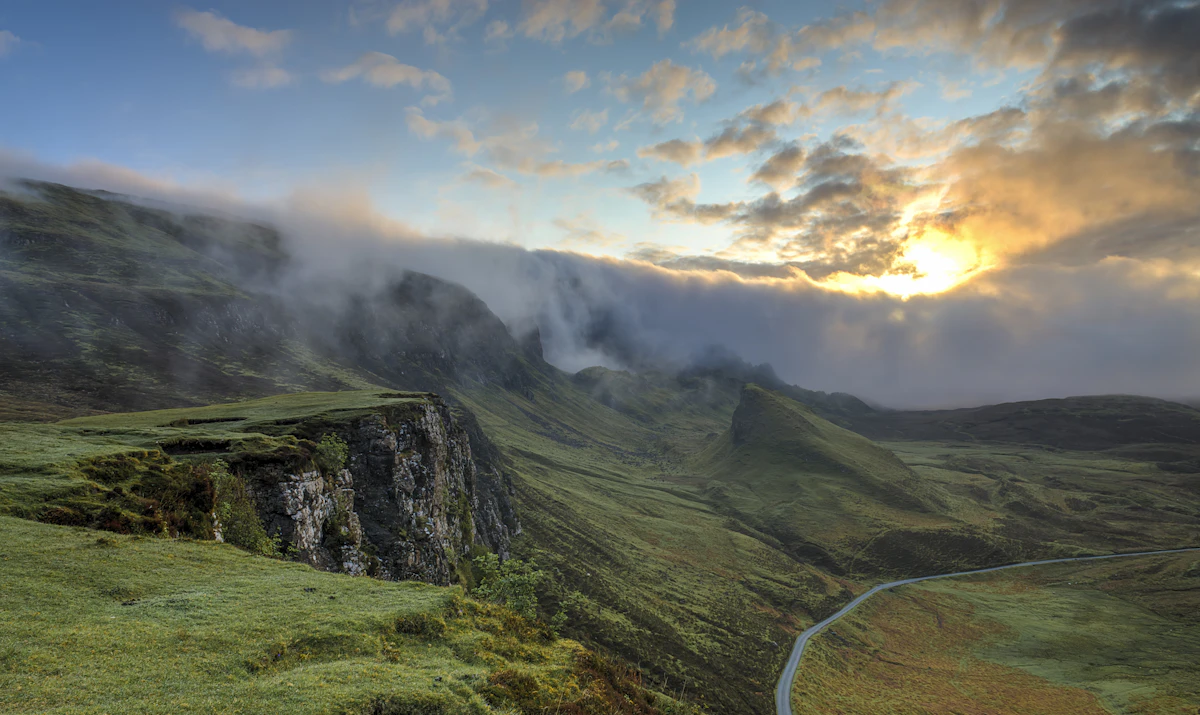
Mist Forest Analysis
Capturing cloud-water data for sustainable irrigation modeling.

Amazon Canopy Alpha
Restoring primary canopy layers using drone-seeded native saplings for rapid reforestation.

Great Barrier Lab
Cultivating heat-resistant coral colonies to protect marine biodiversity against rising temperatures.

Savanna Shield
Strategic thermal imaging and AI-monitoring networks deployed to eliminate illegal poaching activities.
Project Repository
Restoration
Impact Index.
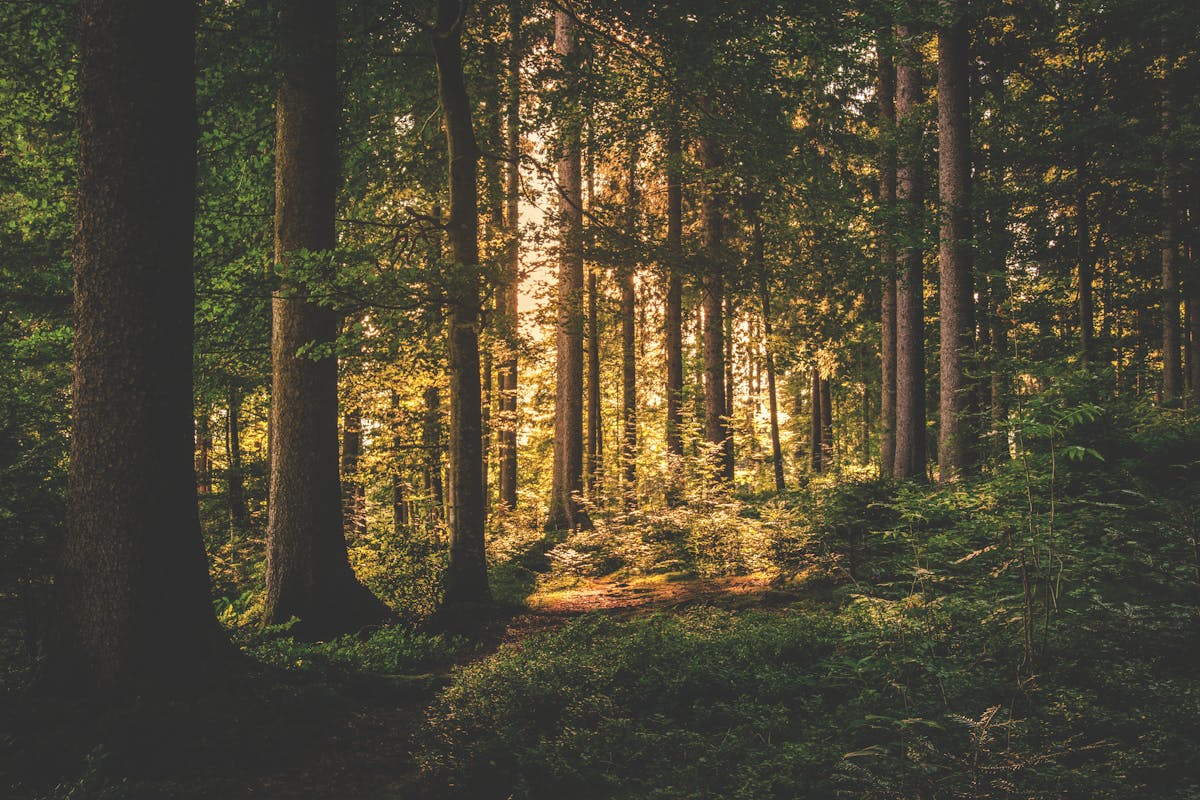
Boreal Carbon Trap
Establishing genetic diversity hubs in sub-arctic forest regions. This scientific necessity combats permafrost erosion to maintain global oxygen equilibrium.
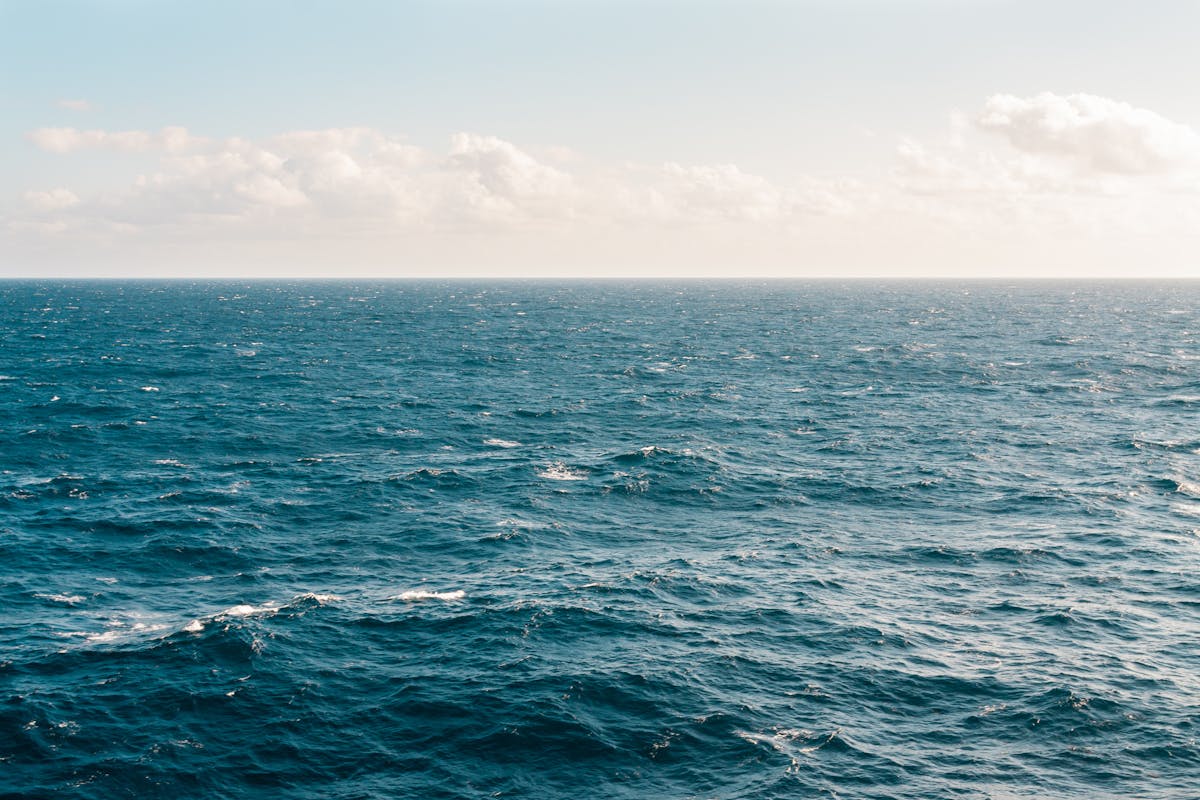
Oceanic Reef Grid
Deploying bio-electric reef structures to regenerate marine ecosystems. This secures food chain integrity and prevents coastal erosion via biological infrastructure.
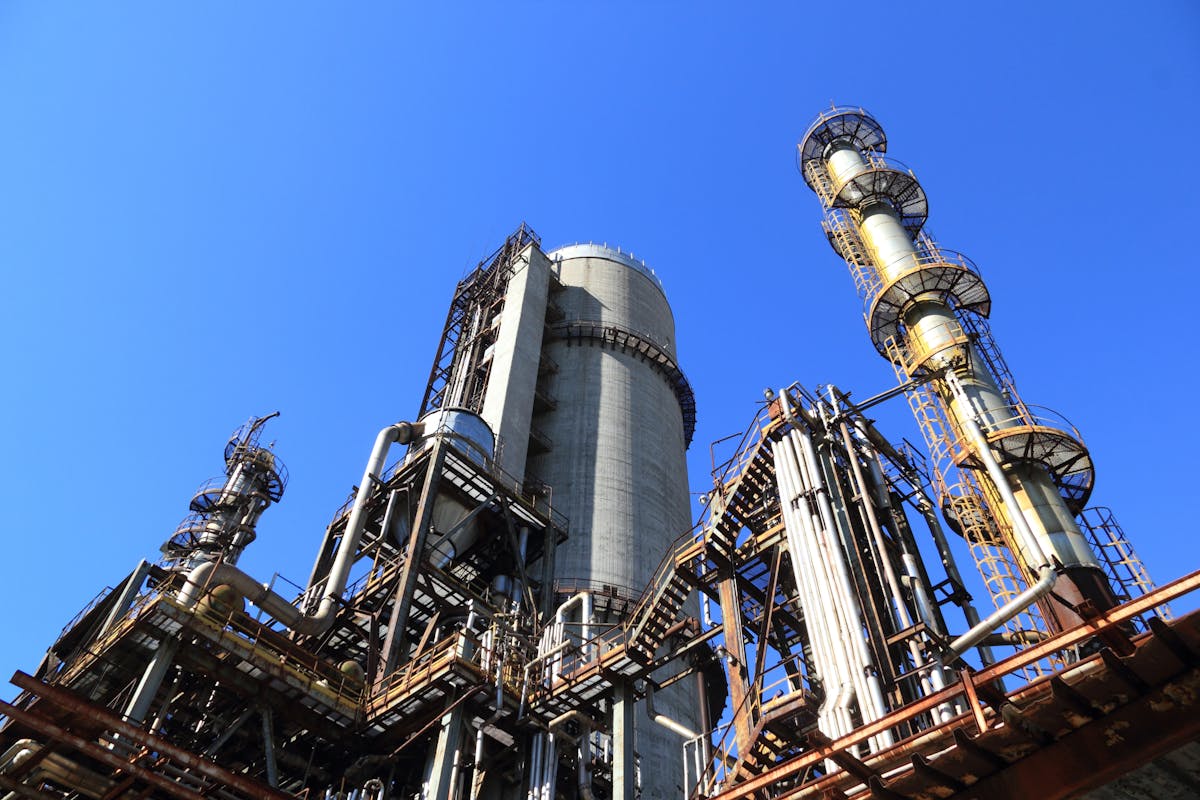
Structural Analysis
Hardware specifications for the Type-IV Sequestration Grid.
Expert Insight: By utilizing kinetic tidal harvesting, the grid remains self-sufficient for 15+ years without human maintenance, significantly reducing the carbon footprint of the restoration project itself.