High above the mist-shrouded valleys, where jagged peaks pierce the sky and ancient winds whisper through barren slopes, a quiet revolution unfolds. In the rugged heart of the Highlands, 10,000 trees now stand as sentinels of hope—tiny saplings transformed into a forest army against climate change. This isn’t just planting; it’s resurrection. Over the past year, a coalition of local communities, environmentalists, and volunteers has breathed life back into eroded hillsides once stripped bare by deforestation, overgrazing, and relentless storms.
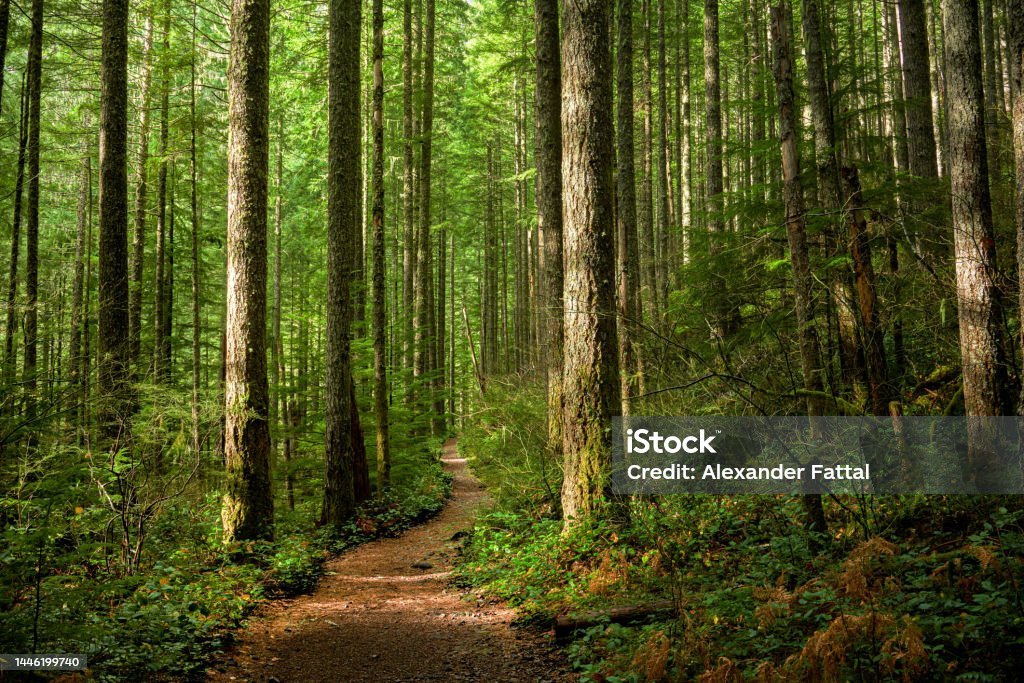
Picture the scene: dawn breaks over the highlands, casting golden light on teams of gloved hands digging into peaty soil. Men and women from nearby villages, schoolchildren with wide-eyed determination, and international experts shoulder spades and seedlings. Native species dominate the lineup—rowan, birch, oak, and Scots pine—chosen for their resilience to harsh winds and poor soils. Each tree, no taller than a child, gets a precise home: 30 cm deep, mulched with local heather, and protected by biodegradable tubes against browsing deer. By project’s end, 10,000 had taken root across 50 hectares, a patchwork of green dots soon to merge into a thriving woodland.
Why the Highlands? These elevated wilds, often romanticized in lore, face brutal realities. Soil erosion devours topsoil at rates of 10 tons per hectare annually, funneled into rivers that choke salmon spawning grounds. Carbon emissions soar as peat bogs dry out, releasing stored greenhouse gases equivalent to a small city’s output. Biodiversity plummets—rare birds like the golden eagle circle emptier skies, and ground-nesting species vanish. The 10,000 Trees Initiative, launched by the Highland Reforestation Trust in partnership with government agencies, targets these wounds head-on. Early data dazzles: satellite imagery shows 85% survival rates after one season, with soil moisture up 20% and erosion halved in planted zones.
Volunteers share gripping tales. Aisha, a 28-year-old farmer from the valley below, recalls her first day: “The ground was like rock, baked dry. But holding that sapling, I felt the future in my hands.” Drone footage captures the transformation—barren browns yielding to emerald specks, streams running clearer. Scientists project long-term wins: by 2035, this forest could sequester 500 tons of CO2 yearly, support 20 new bird species, and bolster flood defenses for 5,000 downstream residents.
Yet challenges persist. Pests nibble edges, funding wanes post-planting, and climate skeptics grumble. Success hinges on monitoring—volunteers return quarterly, armed with apps tracking growth via GPS. Community buy-in seals it: locals now patrol against illegal logging, turning guardians from former grazers.
This is no isolated feat. It echoes global pushes like Ethiopia’s 20 billion-tree Green Legacy or Scotland’s woodland revival. In the Highlands, 10,000 trees mark a turning point—a pledge that humanity can heal what it harmed. As branches intertwine and canopies thicken, they remind us: nature rebounds when we act.
Join the roots. Plant one today, support a sapling fund, or rally your community. The highlands call—what will you answer?