- Global Population Surge: Over 50% of monitored sea turtle populations worldwide now recovering through nest protection and reduced fisheries bycatch.
- Green Turtle Milestone: Downlisted from Endangered to Vulnerable status, marking a conservation victory after decades of decline.
- Frontline Efforts: Thousands of nests safeguarded annually by volunteers, from remote Pacific atolls to Mediterranean beaches.
- Ongoing Battle: Plastic pollution and climate change persist as threats, but innovative tech like satellite tracking offers new hope.
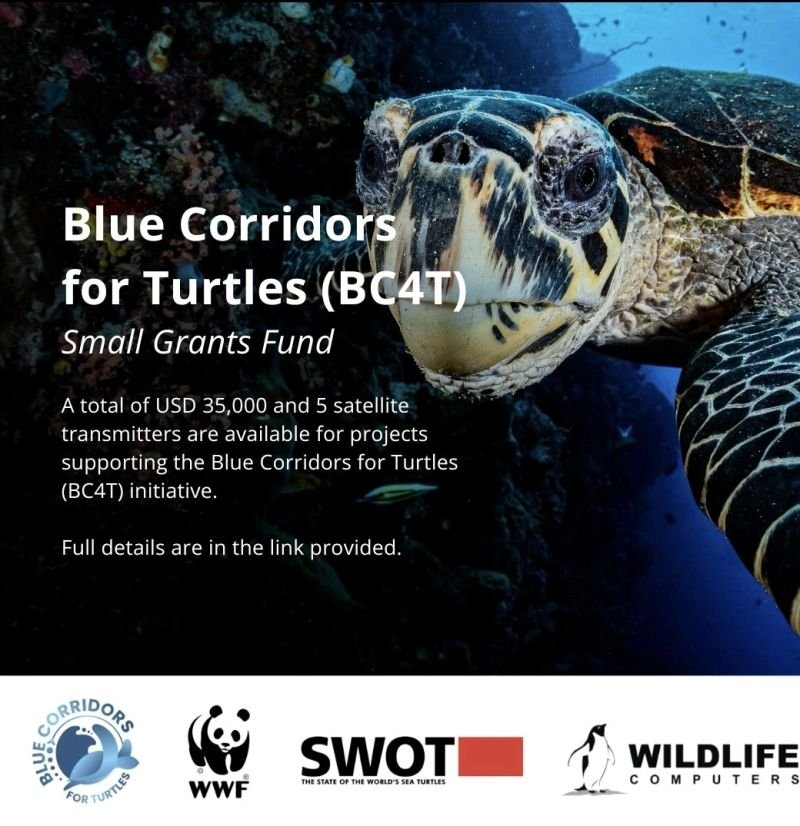
Read More: The Documentary
[Narrator voiceover, sweeping drone shots of turquoise waves crashing on midnight sands]
In the velvet cloak of night, where bioluminescent plankton dances on the tide, nature’s ancient mariners emerge. Blue sea turtles—greens, hawksbills, loggerheads, and leatherbacks—haul their massive shells ashore. These living relics, unchanged for 100 million years, dig nests under starry skies, laying eggs that hold the ocean’s future. But for decades, their epic odysseys teetered on extinction’s edge: poached for meat and shells, drowned in ghost nets, starved on plastic mistaken for jellyfish. Now, in 2026, a global tide turns.
[Cut to bustling conservation camps: volunteers in headlamps patrol Costa Rican shores]
From Australia’s Great Barrier Reef to Bangladesh’s Sundarbans mangroves, teams of biologists and locals rewrite the story. Patrols scan 10,000 kilometers of beach each season, marking nests with cages against foxes and raccoons. Relocated clutches hatch under floodlights—tiny flippers scrambling to the sea, guided by moonlight. Success rates soar: 80% survival where once it was 1 in 1,000. Satellite tags reveal migrations spanning 10,000 miles, pinpointing hotspots for marine protected areas.
[Archival footage: entangled leatherback freed by divers; graphs showing population rebounds]
Green sea turtles lead the charge, their numbers climbing enough for IUCN reclassification—a beacon for all species. Yet leatherbacks cling to critically endangered status, their 1,000 remaining nesters a whisper from silence. Climate change warps beaches, skewing hatchling sexes female-heavy, while warming seas disrupt jellyfish blooms—their primary feast.
[Interviews: weathered fishers, excited kids releasing hatchlings]
Heroes abound. In the Pacific, indigenous guardians enforce taboos on egg harvesting. Tech innovators deploy AI drones spotting nests from afar; biodegradable nets slash bycatch by 70%. Community buy-in transforms poachers into protectors—workshops teach sustainable fishing, funded by eco-tourism. One volunteer recalls: “Holding that first hatchling, you feel the ocean’s pulse in your palm.”
[Montage: before-and-after satellite imagery, thriving reefs]
By 2030, projections promise stability if momentum holds. These turtles aren’t just survivors; they’re ecosystem engineers, grazing seagrasses that store blue carbon, hosting parasites that feed cleaner fish, stabilizing dunes against storms. Their salvation ripples through food webs to human shores—healthier fisheries, resilient coasts.
[Call to arms, uplifting music swell]
The script isn’t finished. Join the patrol: reduce plastics, support sanctuaries, advocate for high-seas treaties. Every nest defended, every flipper freed, secures the blue guardians for generations. As dawn gilds the horizon and the last hatchling slips into foam, one truth endures: we rise or fall with the sea.